

9–13 September 2027
Join us for an immersive exploration of Beginner’s Mind and Essential Core Practices, inviting practitioners to return to the foundations with curiosity, attention and openness.
9–13 September 2027
Join us for an immersive exploration of Beginner’s Mind and Essential Core Practices, inviting practitioners to return to the foundations with curiosity, attention and openness.
Chuck Miller has been practising and teaching Ashtanga Yoga for over forty years. He first met Sri K. Pattabhi Jois in 1980 and continued studying with him intensively for many years, returning regularly until Pattabhi Jois's passing.
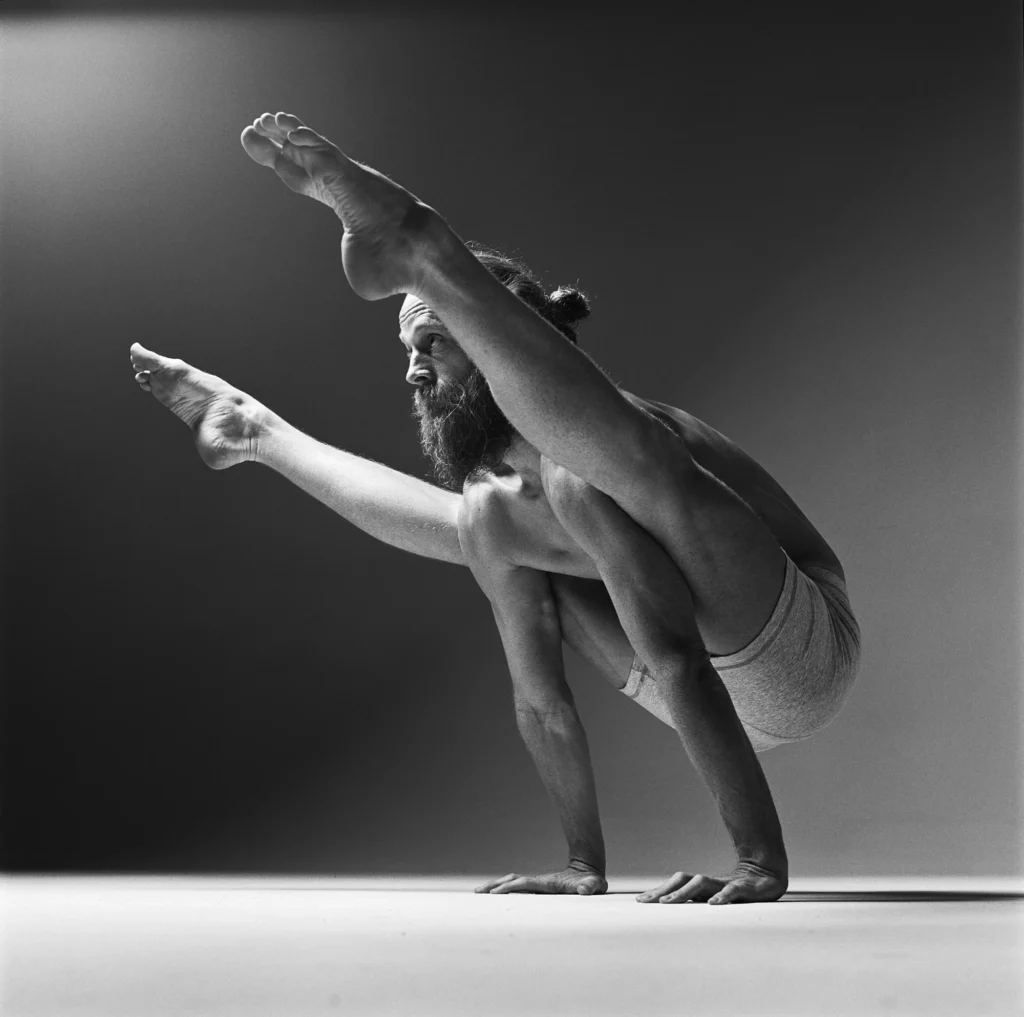
In 1988 Pattabhi Jois authorised Chuck to teach the Primary Series, beginning a teaching career that has since inspired students around the world. After leading a dedicated Ashtanga community for seventeen years, Chuck and his wife Syrena relocated to Hawaii, where they continue to share their teaching internationally.
Having the belief that Ashtanga Yoga is strong enough, with enough internal integrity to withstand scrutiny, Chuck studied with many different teachers and tested those teachings on his own mat… that continues today.
He found the same internal truths in the deeper realms of all great practices and started calling the conflicts between them “semantic differences.”
Today he likes to point to what he calls “Sama,” the sameness that exists everywhere. Finding the sameness between philosophy and practice continues to inform his practice and thus his teaching.
The tension we feel when our Sankalpa, our intention, bumps into our Samskaras, our habitual patterns, is the gift of the practice.
Chuck Miller
We have the most interesting and inspiring five days of practice ready for you to dive into.
A sitting practice will be included every morning as a time to orient us towards Internalizing Practice.
Then we can start with a review of the Samasthiti. Slowly, and thoroughly, we will explore what is Alignment. It is a word that is widely used in yoga, but do we really understand it? Why is it important?
It can feel complicated to learn, but we can in fact simplify our understanding of alignment by creating a natural felt sense of it.
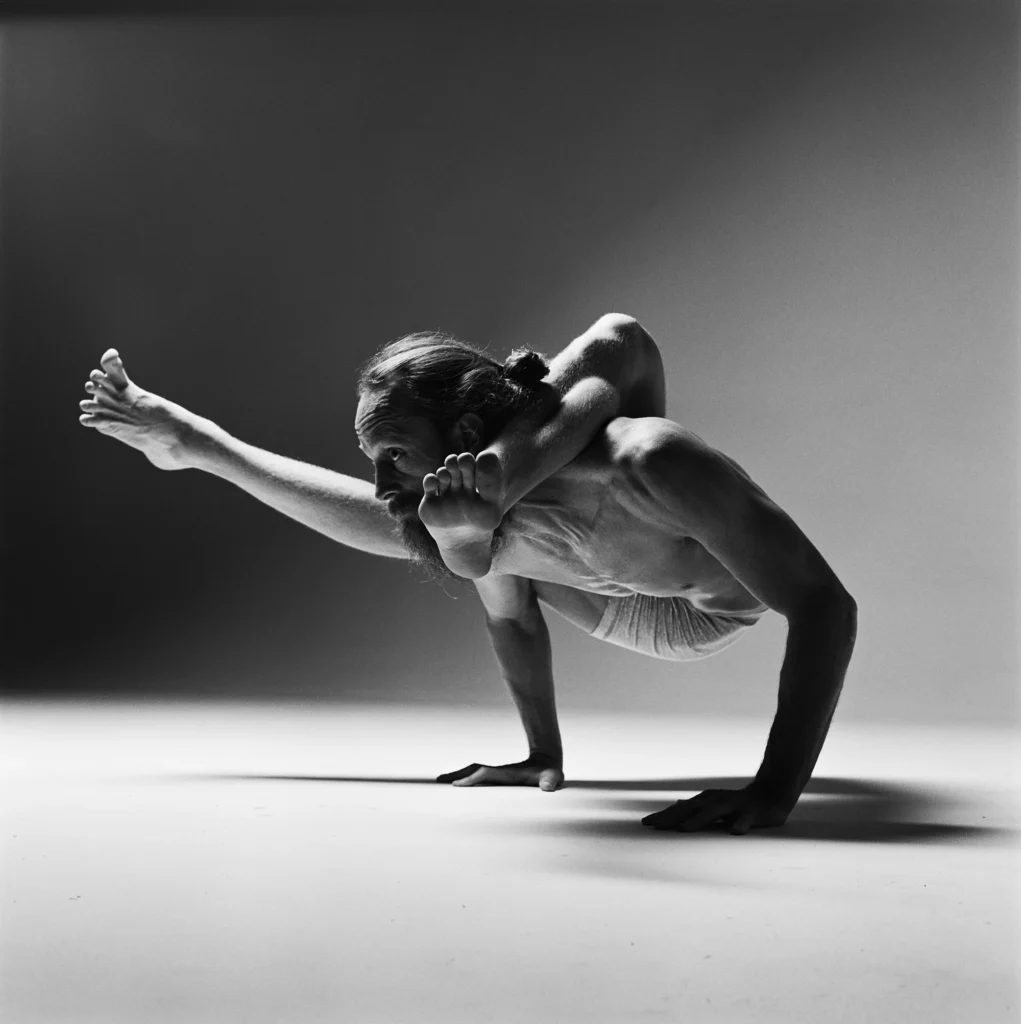
We learn to stabilize those alignments with actions and counter actions, which is what creates bandha. We create bandhas from the root causes rather than chase the effects. We allow the effects to happen, at their own speed as a result of our focus on developing ever closer to the root causes.
This sets us up for the magic and importance of elongation to create space and length, the victory of the ability to uplift ourselves, the Ujjayi force.
We will use yoga models like PanchaMaya Kosha to focus our intention, Sankalpa, to “Internalise our Practice.” Let us bring to life the philosophy of Ashtanga Yoga.
Yama, Niyama, Asana, Pranayama are called the external practices. Pratyahara, Dharana, Dhyana, Samadhi are called the internal practices.
The philosophy informs and guides our practice, as the physical practices also give meaning and helps us to understand the philosophy.
Recognizing the Natural Priorities that exist, like Breath, Roots and Core, we can cultivate concentration, Dharana, which is an invitation to return to our chosen point of focus. Dharana extended, prolonged, becomes Dhyana, an unbroken stream of effortless concentration. This is the origin of Samadhi.
We also recognize other natural hierarchies like the spine and adjust our effort to protect the vulnerable and to challenge the strong stubborn habitual patterns, what we call Samaskaras. We can put the hands and feet, arms and legs to work in service to the spine.
This changes the way we practice, changes our direction and ambition in our practice to bring it into alignment with what is real.
The tension we feel when our Sankalpa, our intention, bumps into our Samskaras, our habitual patterns, is the gift of the practice.
However, our tendency is to see that tension as a problem to be solved. In fact, the practice itself is a tool for observation. By observing that tension and recognizing it as a Samskara, we begin the process of Nirodha, the quieting and clearing of these conditioned patterns.
That is Yoga.
We can develop a stronger Moral Compass to guide not only our practice on the mat but also how we engage in the world. As we investigate ourselves on the mat we naturally observe our lives and are given the opportunity to decide whether we wish to make changes.
This is how our practice empowers us.
This is how it helps us help change the world.
One breath at a time.
Over five days, the intensive follows a carefully considered rhythm of morning practice and afternoon inquiry. Each session builds on the last, creating space not only to practise, but to observe, question and deepen your understanding.
Each morning begins with a sitting practice as a time to orient us towards Internalising Practice.
Morning Practice is conducted with a focus on finding Samasthiti in every pose. Afternoon Clinics offer an opportunity for questions and answers, time to digest what we learned in the morning, and to investigate the practice in a way not possible in a regularly paced class.
Each day builds naturally on the one before, allowing time to practise, reflect and return with fresh understanding. The rhythm of the intensive is designed to support both steady progress and meaningful integration.
8:30–11:30am
1:30–4:30pm
8:30–11:30am
4:00–7:00pm
Everything you need to know to plan your visit to Yoga Sangha.
If you have any questions before your visit please get in touch.
Yoga Sangha is a calm and welcoming studio space in Cheadle.
The studio is fully equipped with mats and props, though you’re welcome to bring your own if preferred.
There is limited parking available on site, along with several nearby public car parks within a short walking distance.
For detailed directions and parking information, please visit our Contact page.
The nearest main station is Stockport, with direct links to Manchester, London and many other major cities.
The studio is around a 15-minute taxi ride away.
For local connections, Gatley and East Didsbury stations are also nearby.
If you are travelling from further afield, the following hotels are all nearby:
There are also plenty of nearby Airbnbs. Our postcode is SK8 2BD.
There are plenty of cafés, restaurants and shops within walking distance of the studio.
For coffee or brunch, we love Steam and Brezo, both just a short walk away in Cheadle village.
Please arrive a few minutes before the start of each session.
Tea, water and a selection of fruit will be available throughout the weekend.
If you have any questions before your visit, please get in touch – we’re happy to help.
Five days of inquiry, practice and exploration at Yoga Sangha.
9–13 September 2027
5-Day pass – £425